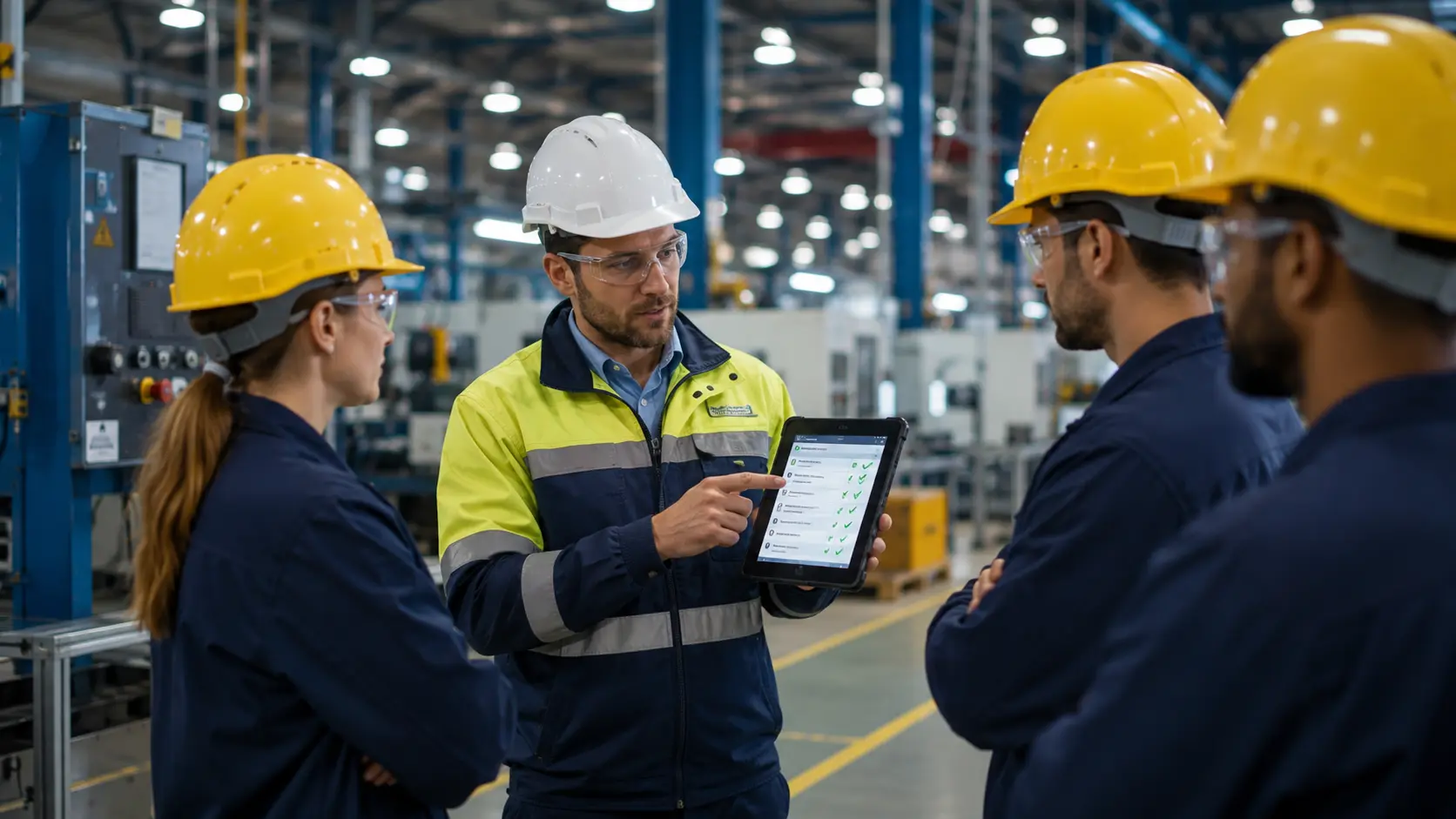
To unleash the potential of your field teams, it is essential to provide them with adapted tools, a continuing education And a effective managerial support, thus strengthening their commitment and performance.
For any company, unleashing the potential of field teams is a strategic priority. Field employees are often the face of the business, interacting directly with customers and representing the brand. It is therefore very important to provide them with the tools and resources they need to succeed. Let's explore how a company can maximize the effectiveness of its field teams through various aspects of management and support.
Accelerate and improve onboarding
Importance of effective onboarding
Effective onboarding plays a key role in reducing staff turnover. When a new employee is well integrated, they quickly feel at ease in their work environment, which increases their trust and commitment. This approach reduces the costs associated with recruiting and training new employees, thus promoting the stability and growth of the organization.
Increasing agility and operational efficiency is also a direct benefit of well-structured onboarding. Efficiently trained employees quickly become operational, contributing to the achievement of business goals more quickly and fluidly.
Implementation of solid onboarding paths
Creating personalized journeys is important to meet the specific needs of each employee. By taking into account previous skills and experiences, businesses can adapt their approach to maximize the effectiveness of onboarding.
Equally important is consistency in the application across the network. A standardized onboarding process ensures that all employees, even those in the field, receive the same level of training and support regardless of where they work. This creates a solid foundation for consistent performance across the organization.
Facilitate support and coaching
Challenges of coaching and coaching
The lack of management tools and methodology is often an obstacle to effective support. Store managers and zone managers need to be equipped with the right resources to optimally support their field teams. The importance of managerial support cannot be underestimated. Good management encourages the trust and motivation of employees, which results in better performance and increased commitment.
Resources and mentoring
Providing resources, for example, for store and zone managers is a practical solution. This includes management tools, training, and methodological guides to help them better support their teams.
Encouraging peer mentoring is also beneficial. Employees can share experiences and knowledge, fostering a culture of collaboration and mutual support.
Communicate effectively within the organization
Disconnection and recognition issues
Better communication will promote better management of your field teams. The feeling of disconnection among field teams can be a major problem. Employees need to feel connected to the business and its goals to stay motivated and engaged. The importance of recognizing and listening should not be overlooked. Businesses need to value the contributions of their teams in the field and include them in the decision-making process.
Establishment of a single communication channel
Real-time communication between all employees is essential. A single communication channel makes it possible to quickly share important information and keep everyone on the same page.
Promoting a sense of community and belonging is necessary. Teams should feel valued and integrated into the company, which reinforces their commitment and loyalty.
Training and developing skills
Continuing education and development
The importance of vocational training is clear. Employee skills need to be continuously developed to meet the changing needs of the business and the market.
The integration of capsules of microlearning adapted to daily work is an effective method for training employees without disrupting their schedule. This allows for continuous and in-context learning.
Impact on the employee and customer experience
Improving the satisfaction of employees and customers is a direct consequence of continuing education. Well-trained employees are more confident and successful, which results in a better customer experience.
Increasing productivity and performance is also a tangible result. Competent, well-trained teams are more effective and can reach their goals more quickly.
Valuing the knowledge of teams in the field
Exploitation of the knowledge of field teams
Gathering customer feedback and employee ideas is important for improving processes and services. Field teams often have valuable ideas based on their first-hand experience with customers.
Sharing knowledge within the organization is crucial. This makes it possible to disseminate best practices and to benefit from everyone's experiences.
Creating a knowledge base
Training platforms can be a tool for centralizing and sharing knowledge between peers. This makes it possible to centralize information and make it accessible to everyone.
Sharing tips and best practices is facilitated by a well-structured knowledge base. Employees can learn from each other and improve their overall performance.
Field workers can easily access the information and resources they need to complete their tasks.
In conclusion, unleashing the potential of field teams requires an integrated approach that combines solid onboarding, effective support, fluid communication, continuous training, the valorization of employee knowledge and investment in appropriate technological tools.
By adopting these strategies, businesses can create a work environment that is conducive to the growth and success of their field teams, while improving the overall experience of their teams and customers.